
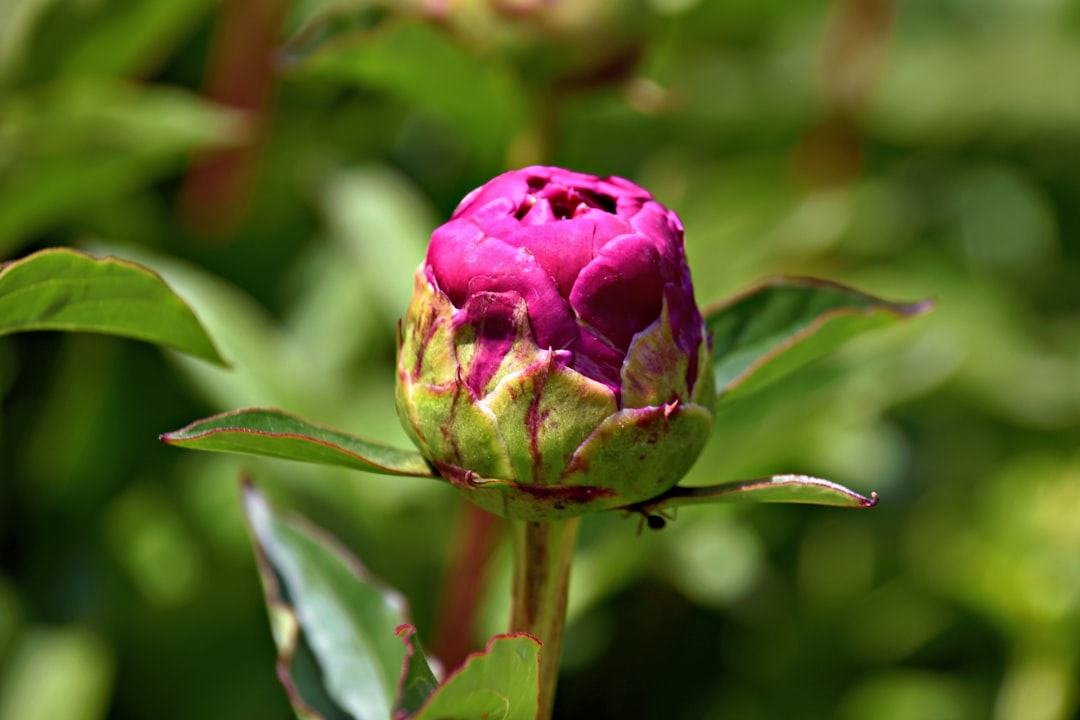
Understanding the various types of bud varieties is essential for anyone interested in horticulture, gardening, or simply enhancing their plant knowledge. Buds are the precursors to flowers and leaves, and identifying them can significantly impact your gardening success. This guide will delve into common bud varieties, their characteristics, and how to identify them effectively.
Bud harvesting techniques are crucial for maximizing yield and maintaining strong plant growth. Different bud varieties require distinct harvesting methods. For instance, some buds are best harvested in the early morning when they are most hydrated, while others may need to be left on the plant longer to develop fully. Knowing the right time to harvest can increase the quality of your buds, leading to better aesthetic design and overall plant performance.
Bud aesthetic design is another important aspect to consider. The visual appeal of your plants can be enhanced by understanding the characteristics of different bud varieties. For example, some buds may have vibrant colors or unique shapes that can add to the overall beauty of your garden. By selecting the right bud varieties, you can create a visually stunning landscape that not only pleases the eye but also attracts pollinators and beneficial insects.
Bud growth consultation services can provide personalized advice tailored to your specific gardening needs. Whether you are a novice gardener or an experienced horticulturist, understanding the growth patterns of different bud varieties can help you make informed decisions about plant care. For example, certain bud varieties may thrive in specific soil types or climates, and a consultation can help you identify the best practices for your garden.
Seasonal bud trends are also worth noting. The popularity of certain bud varieties can fluctuate with the seasons, influenced by factors such as climate change and consumer preferences. Recent market statistics indicate that the demand for sustainable gardening practices has increased by